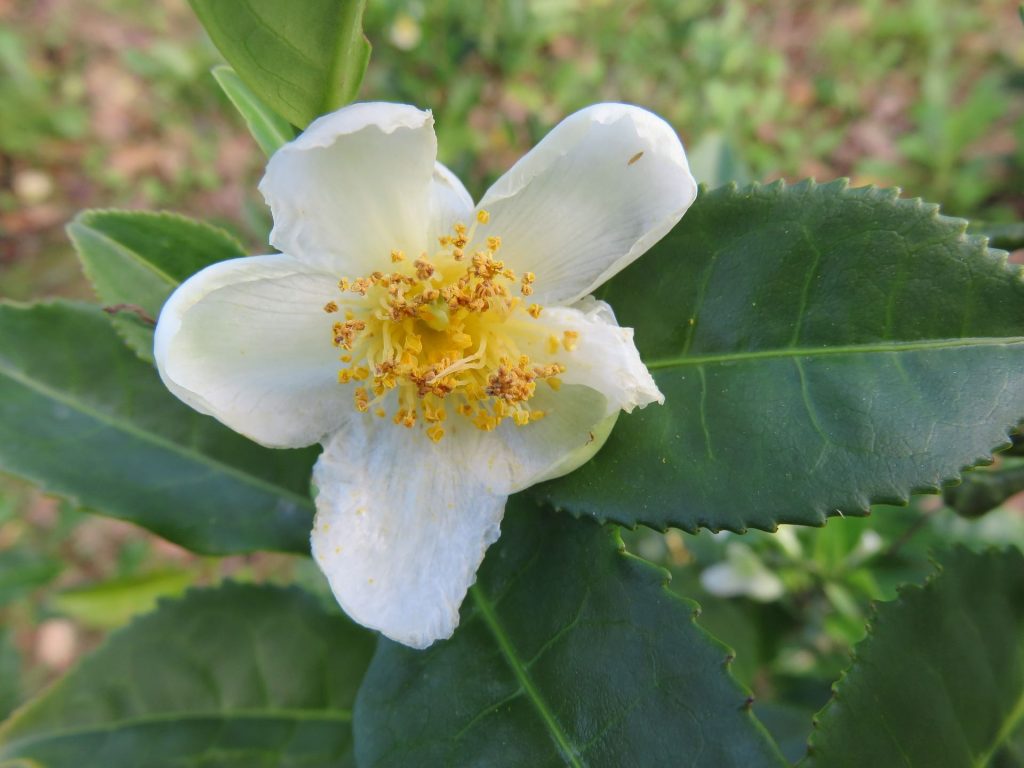
Despite numerous sources and historical legends, the best known being the story of an emperor into whose vessel of hot water a leaf accidentally fell, we cannot determine exactly when or how the story of tea truly began.
There is, however, a lesser-known fact from the history of tea.
In the regions southeast of the Himalayas—the natural habitat of the original types of Camellia sinensis—the leaves are not made into tea but are chewed.
Chewing tea leaves is also common in some Central Asian countries as a treatment for illness, and the leaves are even placed on wounds to help them heal faster.
In northern Thailand, the Shan people boil or steam freshly picked leaves, knead them into balls, and prepare them as food with spices, fat, and salt. Burmese tribes simply dry, salt, and chew them.
The discovery that monkeys and other mammals also eat tea leaves in the homeland of the tea plant shed new light on the entire story of tea’s origins. It is therefore clear that the relationship between humans and this magical plant may be older than human history and may date back to the very beginnings of the human species.